
The power of participation: Why grid modernization is about more than just wires and poles
March 31, 2026
We believe the future of energy isn’t just about delivering electricity; it’s about giving our customers more control and empowering them to take on a more active role in making our distribution system stronger and more reliable. While the original grid was built for a simpler era, today’s infrastructure must power a world of electric vehicles, customer-generated electricity, smart homes with electrified heating sources, and massive data centres that drive the latest artificial intelligence (AI) models.


Empowering customers to play a bigger role
Our grid modernization strategy is designed to move from passive consumption to active participation. The data we collect through our next-generation smart metering infrastructure will help customers better understand, track and control their own energy consumption. But that’s just the start.
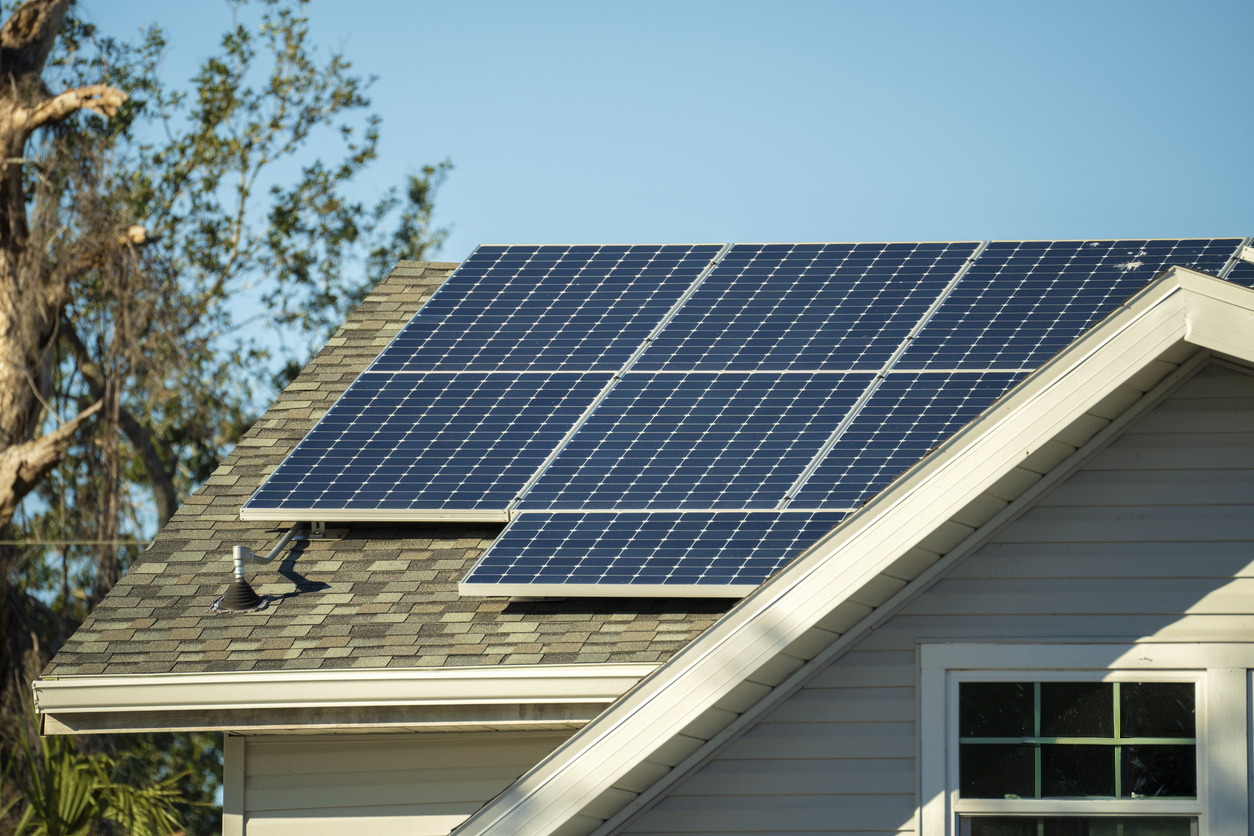
A large part of modernizing our grid involves better enabling a two-way flow of electricity. A two-way system makes it possible to not only send energy out to our customers but also receive energy back into the grid generated by distributed energy resources (DERs) like rooftop solar panels and residential battery storage systems.

Changes of this scale require careful planning and strategic investments to improve on what we have now and to create new ways for the grid to meet the rapidly changing energy needs of the future. We’re committed to embracing industry-leading technologies so we can build a smarter, safer, more reliable and resilient electrical system for our customers — one that’s ready for 2030 and beyond.
What does a modernized grid look like?
Although our current grid has served us very well, the reality is that much of its infrastructure was built more than 40 years ago. Like any other technology, it needs regular updates to stay efficient and effective. But grid modernization isn’t about ripping out and replacing every single pole, wire, transformer and substation. Instead, we’re carefully adding new technologies to improve how we manage the grid. By optimizing our current assets, we can enable the energy transition.
So, what new technologies are we adding to the grid? Think of it this way: we’re building a pyramid, layer by layer. At the base, we're installing smart sensors throughout the grid to collect more information than ever before. We're also adding devices we can operate remotely to improve our efficiency. Next, we're strengthening the communication network that sends this data to our control centres. Then comes the data management systems, which allow us to store and access all that information. Finally, at the top of the pyramid, there are the applications and analytic tools that allow us to make better decisions based on this data.
All this enables deeper, real-time visibility into our grid and our assets, allowing us to more efficiently manage the shifting energy use patterns that come with widespread electrification. That level of visibility will also make the grid more reliable. With smart fault circuit indicators (FCIs) deployed at strategic locations across our network, we can quickly pinpoint the location of a fault in the grid. FCIs are like markings on a map. They allow our crews to pinpoint the cause of an issue much faster, reducing the need for them to patrol the entire length of a power line to find the problem. Grid operators can then use remote control capabilities to isolate portions of the grid so fewer customers are affected by the outage, and restore power remotely, reducing the need for crews to be on site (unless infrastructure repairs are needed). Think of isolating portions of the grid like a strand of lights. When one bulb goes out, the whole strand may stop working. Power lines work the same way. When there’s a fault on our lines, everyone down the line from that issue is affected. By isolating portions of the grid, we’re reducing this issue and keeping more customers connected.
Additionally, by using advanced sensors to closely monitor the grid's health, we can identify potential problems early and address them before they become bigger issues, enabling us to make repairs proactively so that we can get as much value out of our equipment as possible before it needs to be replaced.
A more intelligent grid
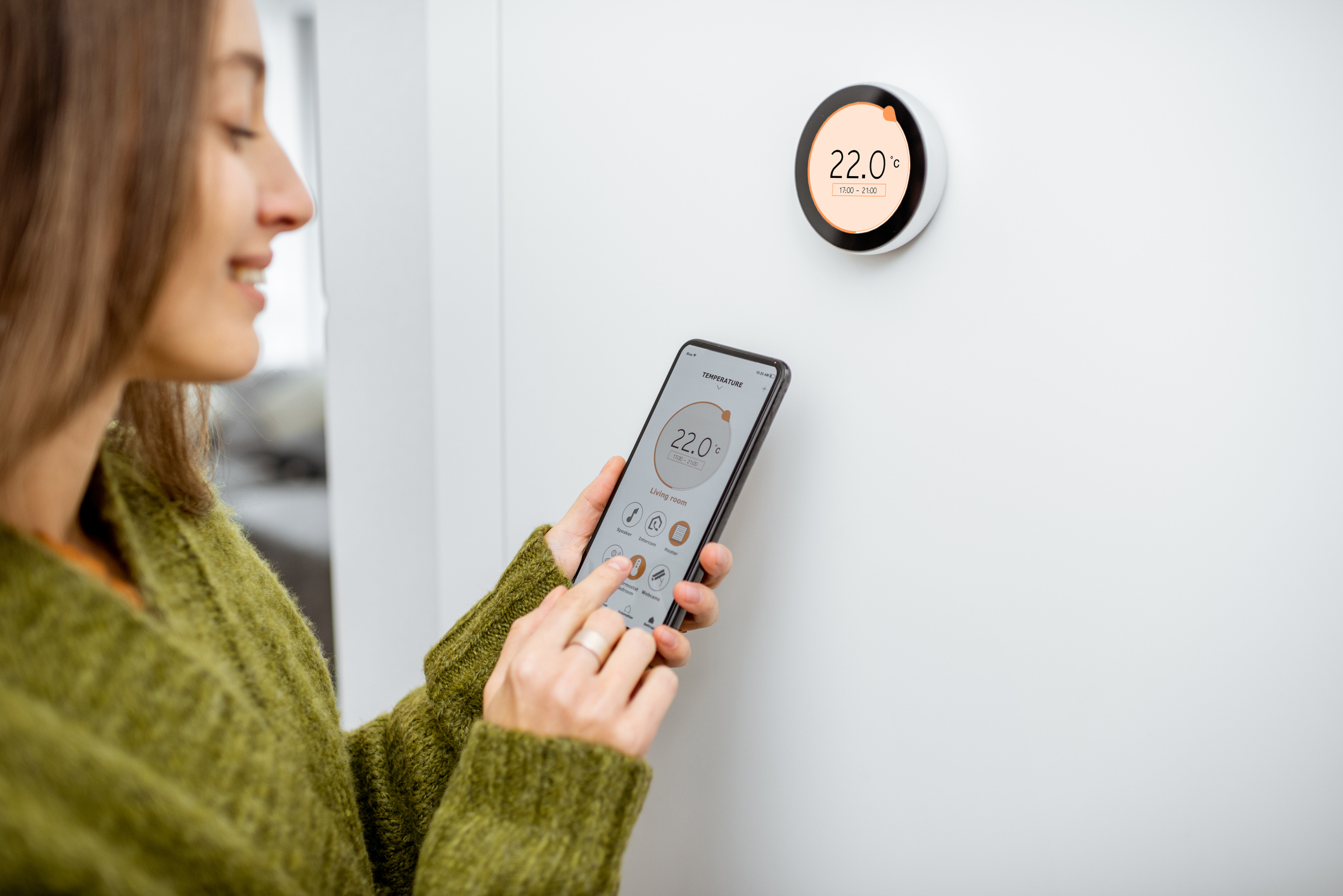
Part of our grid modernization strategy involves embedding more intelligence into the electrical system and leveraging non-wired solutions. For example, customers could opt into a non-wired solutions program that uses AI-enhanced predictive analytics in combination with real-time data from customer-owned equipment, such as smart thermostats and EV chargers, to help us balance supply and demand across the city during peak-load times. Think of it like this. Perhaps you have your smart thermostat set to cool your home to 20 degrees in the summer. Customers who opted into the program may receive a request to reduce their cooling and set their thermostat to 21 degrees during a peak-load period, helping us manage the increased electricity demand in exchange for an incentive. It’s a simple way to help us proactively balance supply as energy usage increases.

Going forward, we’re exploring the possibility of adding more AI-powered capabilities to our grid management toolbox. That might include autonomous AI models that can effectively think, decide and act for themselves. These AI agents would help with predictive maintenance by reading real-time sensor data and tagging equipment that isn’t working properly. They could report to our system office, which would assign a maintenance crew to resolve the issue.
Working together to power a sustainable tomorrow
Modernizing our grid is more than just improving reliability and outage response times. It’s about building a system that empowers you to take control of your electricity and seamlessly connects more DERs to our network by enhancing the use of infrastructure and new technologies. And we aren’t alone in this work. Local distribution companies across Canada and around the world are engaged in planning and undertaking projects to modernize their grids. We’re collaborating with many of them, sharing our experiences and solving challenges together to build a smarter, more reliable and resilient grid.
The work to modernize our grid is well underway, laying the groundwork for an energy future that will power our community with more sustainable, resilient energy for generations to come.