
The rise of home energy: Solar + battery storage explained
September 23, 2026
Your home is no longer just a place where you use electricity. With technologies like solar panels and battery energy storage systems becoming more accessible, your home can also play a role in how electricity is produced, stored and used.
You may have seen solar panels appearing on more rooftops, or heard more about home batteries in recent years. But what exactly do these technologies do—and why might you want one for your home?
Let’s break it down.

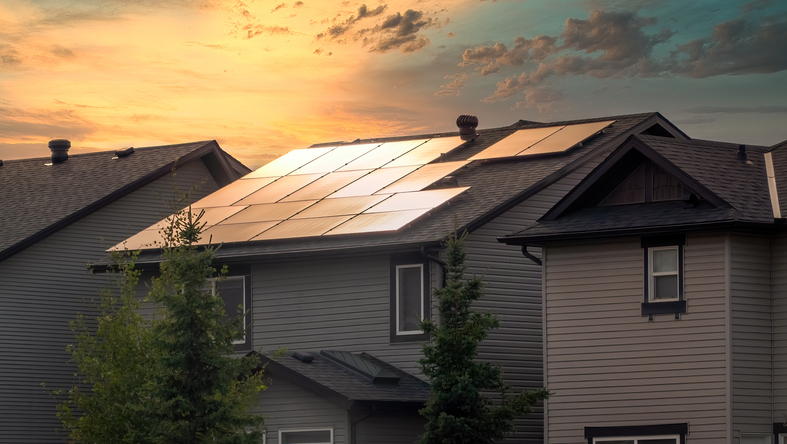
What is home solar?
Solar panels, also called photovoltaic (PV) panels, convert sunlight into electricity that can be used to power your home.
When your solar panels are producing electricity, that power can be used by your home first. Depending on your system and your electricity needs, you may also be able to send excess electricity to the electricity grid.
Solar generation varies throughout the day and year. Your panels will typically produce the most electricity when the sun is shining, with production changing based on the time of day, season and weather.
That means solar can help you generate some of the electricity your home needs—but it doesn’t necessarily mean you’ll stop using electricity from the grid.
So, why would I want solar?
For many homeowners, solar is about generating electricity closer to where it is used.
Installing solar can:
Generate electricity at home: Use energy produced by the sun to help power your household.
Reduce your reliance on electricity from the grid: The amount you can offset depends on factors such as your system size, electricity use and how much solar energy your system produces.
Make use of renewable energy: Solar generates electricity without producing greenhouse gas emissions during operation.
Take advantage of your home’s solar potential: Depending on your roof, orientation, shading and other factors, your home may be well suited to solar generation.
But there’s an important piece to understand: solar only generates electricity when your panels are producing.
That’s where battery storage can come in.
What is a home battery?
A battery energy storage system (BESS) stores electricity so it can be used later.
Think of it as a rechargeable battery for your home. Depending on the system and how it is configured, a battery can charge when electricity is available and then provide stored electricity to your home when you need it.
When paired with solar, a battery can store some of the electricity generated during the day for use later—for example, when the sun has gone down and your solar panels are no longer producing.
But you don’t necessarily need solar to have a home battery.
A battery can also be charged from the electricity grid and then used later, depending on the system and applicable program requirements.
Why would I want a battery?
Home battery storage can give you more flexibility in how and when you use electricity.
Depending on the system, a battery may help you:
Store electricity for later: Use stored energy when your solar system isn’t generating or when you choose to draw less electricity from the grid.
Make better use of your solar energy: Instead of using all your solar generation immediately, a battery can store some of the excess for later use - such as in the evening when your solar panels aren’t producing.
Provide backup power: Some battery systems can provide electricity to selected circuits or appliances during a power outage. If backup power is important to you, ask your installer what the system can support, how long it can provide power and what additional equipment may be required.
Manage when you use electricity: Battery storage can give you another tool for shifting electricity use away from certain periods.
Participate in electricity programs: Some batteries can be enrolled in programs that reward customers for helping manage electricity demand at certain times.
Work alongside an electric vehicle: Some EVs and charging systems can send electricity back to a home through bidirectional charging. This can allow an EV’s battery to serve as another source of stored energy for the home - but this capability depends on the specific vehicle, charger and electrical setup.
Solar + battery: How do they work together?
Solar and battery storage can complement each other.
Imagine your solar panels are generating electricity on a sunny afternoon. Your home is using some of that electricity, but your panels are producing more than you need at that moment.
Instead of all of that excess electricity being used immediately or sent to the grid, a battery can store some of it for later, depending on your system configuration.
In the evening, when your solar panels aren’t generating electricity, you could use some of that stored energy.
Solar generates. Battery stores. Your home uses.
Together, these technologies can give homeowners more flexibility over how and when electricity is produced and consumed.
Is home energy right for you?
There isn’t a one-size-fits-all answer.
Whether solar, battery storage—or both—make sense for your home depends on factors such as your electricity use, available space, roof characteristics, system size, equipment, installation costs and your goals.
Some homeowners may be most interested in generating renewable electricity. Others may want to store energy for later, manage when they draw electricity from the grid or participate in programs that reward flexible energy use.
And if you’re considering installing a system, there’s another important step to understand before you get started: connecting it to the electricity grid.
Before purchasing or installing solar panels or a battery system, homeowners should understand Hydro Ottawa’s distributed energy resource (DER) connection process and determine what approvals are required for their project.


Thinking about solar or a battery?
Start by learning what options are available, what might work for your home and what you need to know before installation.
Hydro Ottawa’s DER resources can help guide you through the process—from understanding solar and battery storage to connecting an eligible system safely to the electricity grid.
And if you’re considering a new battery, keep an eye out for opportunities through programs such as GridFlex (for those living in eligible areas of Kanata and Stittsville) and the Home Renovation Savings Program that may help make home energy technologies more accessible.
Your home can do more than use energy. It can help you generate, store and manage it, too.