
Shocking truths: Busting common electricity myths
August 26, 2026
Electricity is part of almost everything we do, but how much do we really know about staying safe around it? Some electrical safety myths contain a grain of truth, while others can create a dangerous false sense of security.
Let’s bust four common myths and get to the bottom of Watt’s really going on.
Myth 1: You can’t get shocked unless you touch a power source
Watt’s really going on?
Think electricity has to be touched to be dangerous? Think again.
Electricity can travel through conductive materials and can even arc, or jump, across a gap. That’s why getting too close to an overhead power line can be just as dangerous as touching one.
The same goes for water. Water can provide a path for electricity to travel, making electrical equipment around pools, bathtubs and other wet areas particularly hazardous.
Damaged cords, faulty wiring and malfunctioning appliances can also create unexpected paths for electricity to flow.
Bottom line: Electricity doesn’t always look dangerous—and you don’t always have to touch it to be at risk.
Myth 2: If a power line comes down on your vehicle, get out immediately
Watt’s really going on?
Stay put. If your vehicle comes into contact with a power line, getting out can create a path for electricity to travel through you to the ground.
Unless there’s an immediate danger, such as a fire, stay inside your vehicle and call 911 for help. Warn others to stay away and don’t touch anything outside the vehicle.
If you absolutely must exit because of an immediate danger, don’t simply step out. Follow emergency instructions for safely exiting an energized vehicle, then move away from the vehicle by shuffling or hopping with your feet together. Never touch the vehicle and the ground at the same time.
Once you’re safely away, stay at least 10 metres (33 feet, or about the length of a school bus) from the vehicle and any downed power lines.

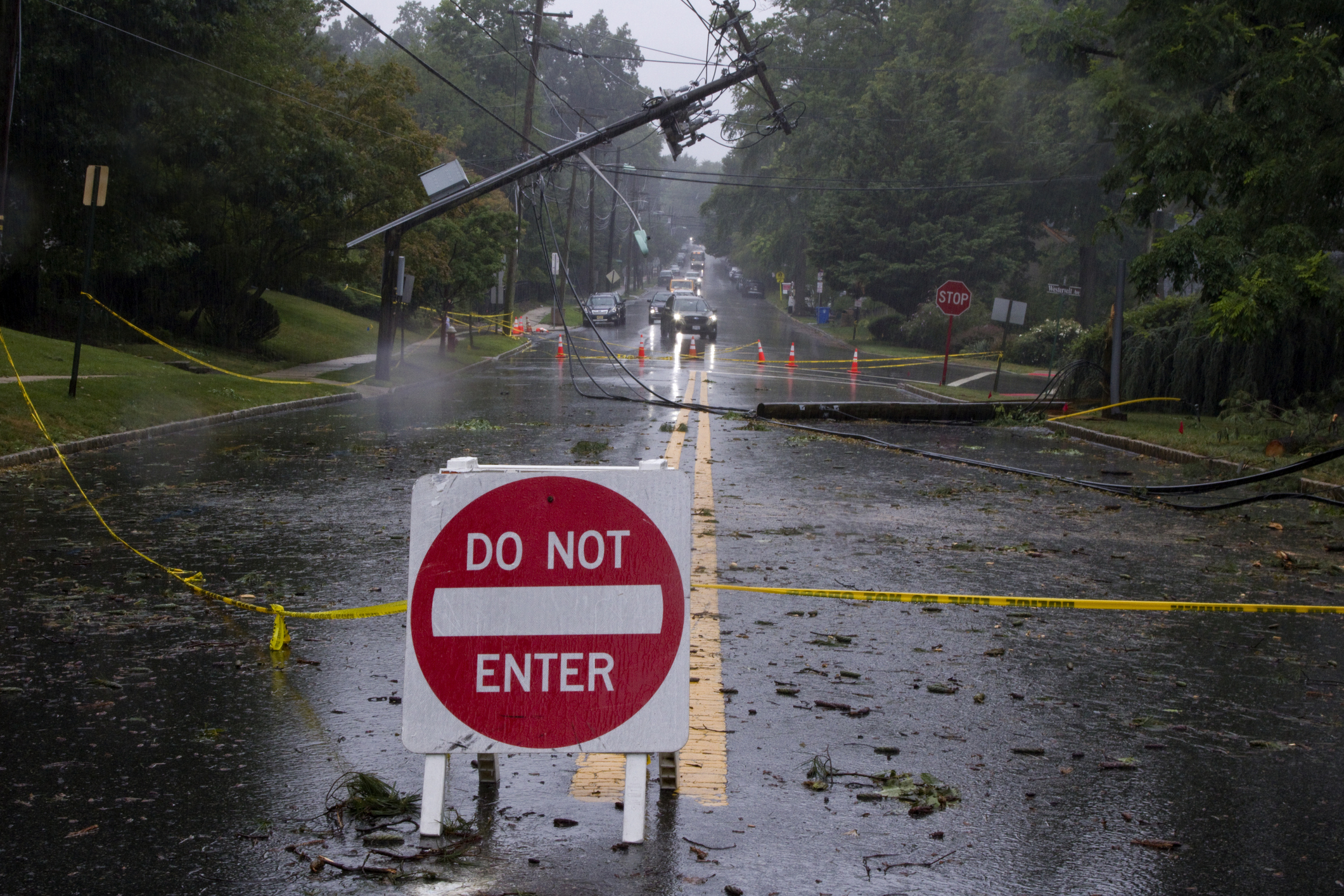
Myth 3: A fallen power line isn’t dangerous if it isn’t sparking
Watt’s really going on?
No sparks? No buzzing? Still dangerous.
A fallen power line can remain energized even when there are no obvious signs of electricity. It can also energize the ground or nearby objects, creating a dangerous area around the line.
Never approach, touch or drive over a fallen power line. Keep people and pets away and stay at least 10 metres (33 feet) back.
If you encounter a downed line, call 911 and then report it to Hydro Ottawa at 613-738-6400.
Myth 4: Rubber shoes and dry hands protect you from electric shock
Watt’s really going on?
There’s some truth behind both of these myths—but neither is a safety guarantee.
Rubber can act as an electrical insulator, but everyday footwear isn’t designed or tested to protect you from electrical hazards. Your running shoes, work boots or rubber-soled shoes should never be considered electrical safety equipment.
And while water can increase the risk of electric shock, dry hands don’t make a plugged-in device safe. Damaged cords, exposed wiring, faulty outlets or defects inside an appliance can still create a shock hazard.
The safest approach? Don’t rely on footwear or dry hands to protect you from electricity.
Stay safe around electricity
A few simple habits can help you and your family stay safe:
- Keep your distance: Stay well away from overhead power lines and never approach a fallen power line. Keep at least 10 metres away from downed lines and energized vehicles.
- Look up and look out: Before using a ladder, tree trimmer, pool equipment or other long tools outdoors, check for overhead power lines.
- Keep electricity and water apart: Never use electrical equipment near water unless it’s designed for that environment.
- Check your cords: Replace damaged, frayed or cracked cords and equipment. Don’t try to repair them yourself.
- Unplug before working: Disconnect appliances before cleaning, maintaining or servicing them.
- Get professional help: Have electrical work completed by a licensed electrical contractor.
- When in doubt, stay away: If something doesn’t look safe, don’t take a chance. Keep your distance and call for help.
Electricity makes our lives easier, but it’s important to remember that it deserves respect. Knowing what’s fact and what’s fiction can help you make safer choices at home, outdoors and everywhere in between.
When it comes to electricity, don’t take chances. Stay informed, stay alert and stay safe.