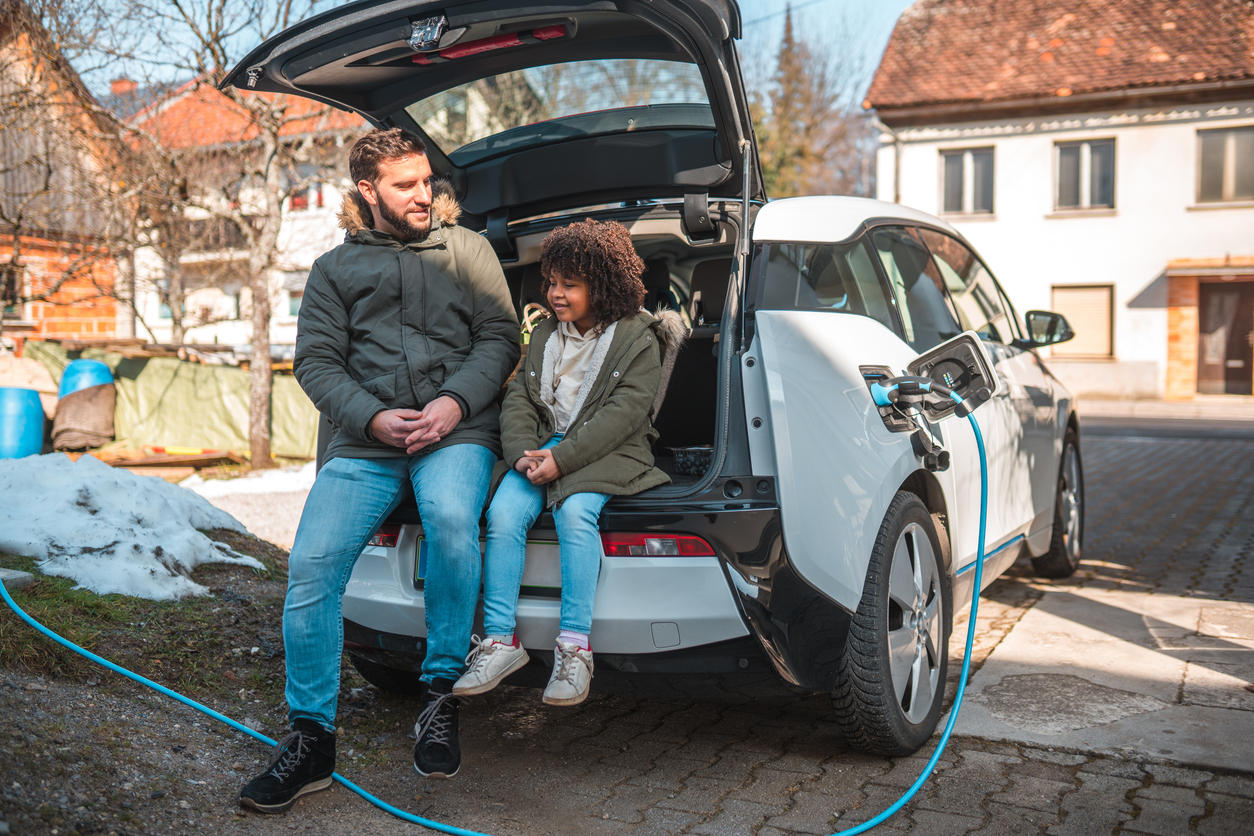
Winter driving in an EV: Tips to keep you charged and comfortable
November 17, 2026
Shorter days, frosty windshields and chilly morning commutes can only mean one thing: winter is on its way. And if you’re an electric vehicle (EV) owner, you might be wondering how the colder temperatures will affect your battery and driving range.
Here’s the good news: EVs and winter can get along just fine. While cold temperatures can reduce an EV’s driving range by approximately 15 to 30 per cent, gasoline-powered vehicles also experience reduced fuel efficiency in winter. The key is knowing what to expect and making a few adjustments to keep your vehicle running efficiently.
Whether you’re a seasoned EV driver or considering making the switch, here are six tips to help you navigate the colder months.

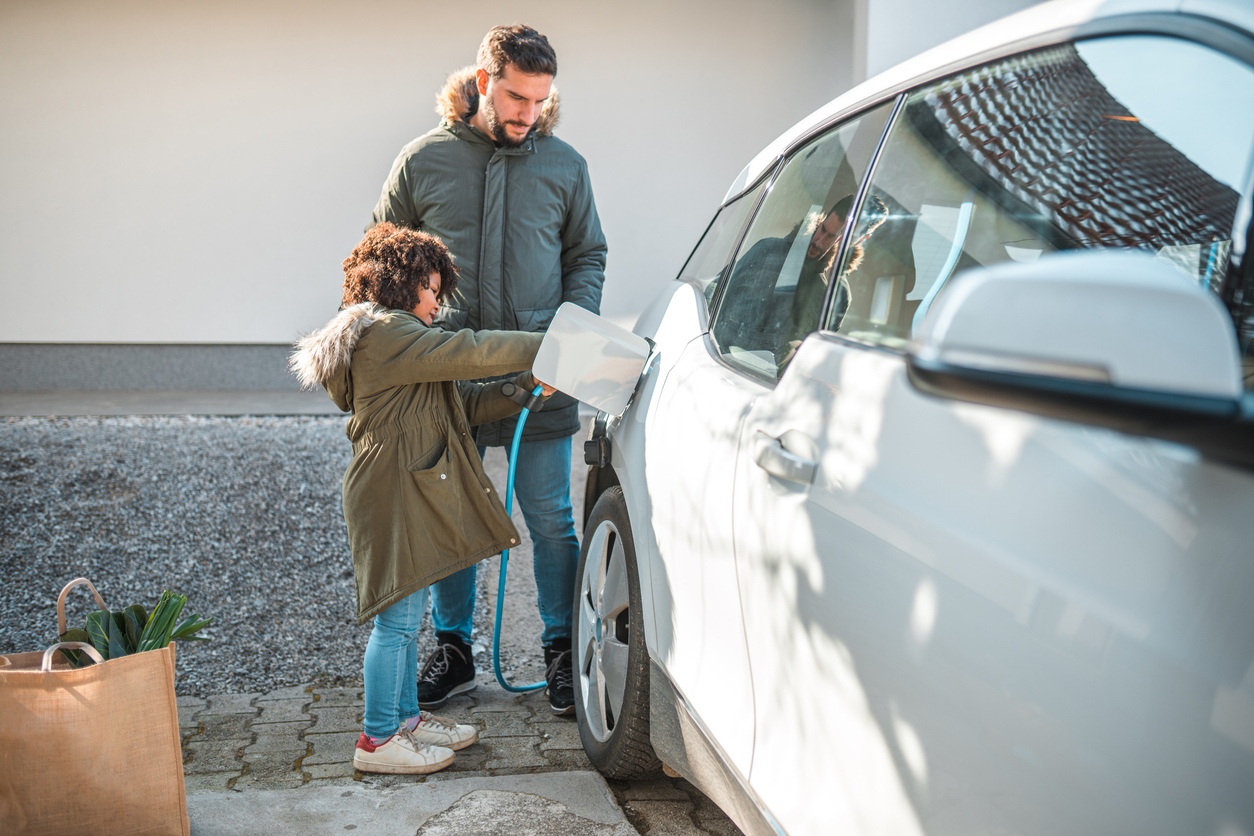
1. Get into a good charging routine
Cold weather affects battery performance, so it’s worth paying a little extra attention to your charging habits during winter.
For everyday driving, many EV owners follow the 20-to-80 per cent rule: keeping their battery between 20 and 80 per cent charge. This can help support long-term battery health while leaving enough charge for daily trips.
Try to avoid letting your battery get too low in colder weather, when range can be less predictable. If you’re planning a longer winter road trip, charging closer to 100 per cent may make sense. Just check your vehicle manufacturer’s recommendations, as ideal charging limits can vary by battery type and model.
2. Preheat before you hit the road
Nobody enjoys climbing into a freezing car, but cranking up the heat can put extra demands on your battery.
One easy solution? Precondition your vehicle before leaving home. Most EVs allow you to schedule or remotely activate cabin heating through the vehicle’s app or dashboard.
Even better, do this while your vehicle is plugged in. That way, electricity from the grid can help warm the cabin and, depending on your vehicle, the battery itself, rather than using as much stored battery energy.
The result? A warm, comfortable vehicle and more driving range when you pull out of the driveway.
3. Heat the parts that matter most
We get it. When it’s -20°C outside, turning off the heat isn’t exactly appealing.
Instead of relying entirely on your cabin heater, try using heated seats and a heated steering wheel if your vehicle has them. These features provide targeted warmth and generally use less energy than heating the entire cabin.
You can also experiment with slightly lower cabin temperatures and use your vehicle’s heated features to stay comfortable without putting as much demand on the battery.
4. Give your EV a little winter protection
If your vehicle spends most of its time parked outside, a few simple precautions can help protect it from the elements.
Consider a vehicle cover designed for your make and model to help protect the exterior from snow and ice. You can also look into a compatible charging-port cover to help keep snow and moisture away from your charging connection.
At home, keep your charging cable and connector as clean and dry as possible, and follow the manufacturer’s instructions for winter charging. If you’re installing a home charging station, be sure to follow the Electrical Safety Authority’s electrical safety guidelines.
5. Check your tires and adjust your driving habits
Cold temperatures cause tire pressure to drop, so check your tire pressure regularly and inflate to the manufacturer’s recommended levels. Properly inflated tires can help improve efficiency and handling.
Winter tires are also an important consideration for Ottawa’s snowy and icy roads. While they can affect driving range, the added traction and control are worth considering when winter conditions arrive.
On the road, take it easy. Accelerate gradually, maintain a safe following distance and give yourself extra time to brake. Get familiar with your vehicle’s winter or snow mode, if available, and adjust regenerative braking settings according to your manufacturer’s guidance and road conditions.
6. Plan ahead for winter road trips
A little extra planning can go a long way when travelling in colder weather.
Before heading out, map your route and identify charging stations along the way. Build in extra charging time to account for reduced range, charging conditions and potential winter delays. Remember that cold temperatures can also affect how quickly your battery charges.
And don’t forget the emergency kit! Keep essentials in your vehicle, including a warm blanket, toque, mitts, flashlight, first aid supplies, booster cables or a portable power bank for your phone, and some snacks and water. You never know when winter weather might throw you a curveball.
Stay charged all winter
Winter driving comes with its challenges, but a little preparation can make all the difference. By adjusting your charging habits, preconditioning your vehicle, checking your tires and planning ahead, you can stay comfortable and make the most of your EV all season long.
Learn more: Visit our Electric vehicles at home page for more information about EV ownership, home charging and getting started.