
How we’re preparing for a surge in electricity demand
October 27, 2025
Our energy landscape is evolving rapidly. Here’s how we plan to make the grid more sustainable and resilient to meet the community’s electricity needs now and into the future.
Electricity is no longer just a convenience. It powers our daily lives. An increasing number of people are using heat pumps and electric vehicles (EVs). Businesses are plugging in like never before, with requests for power connections on the rise. And there are the rapidly developing new technologies, like artificial intelligence, that are consuming electricity in amounts that couldn’t have been predicted even a few years ago.
That’s why we’re embarking on the largest investment plan in our organization’s history, so we can meet the energy needs of Ottawa and Casselman.
Electricity demand is quickly rising
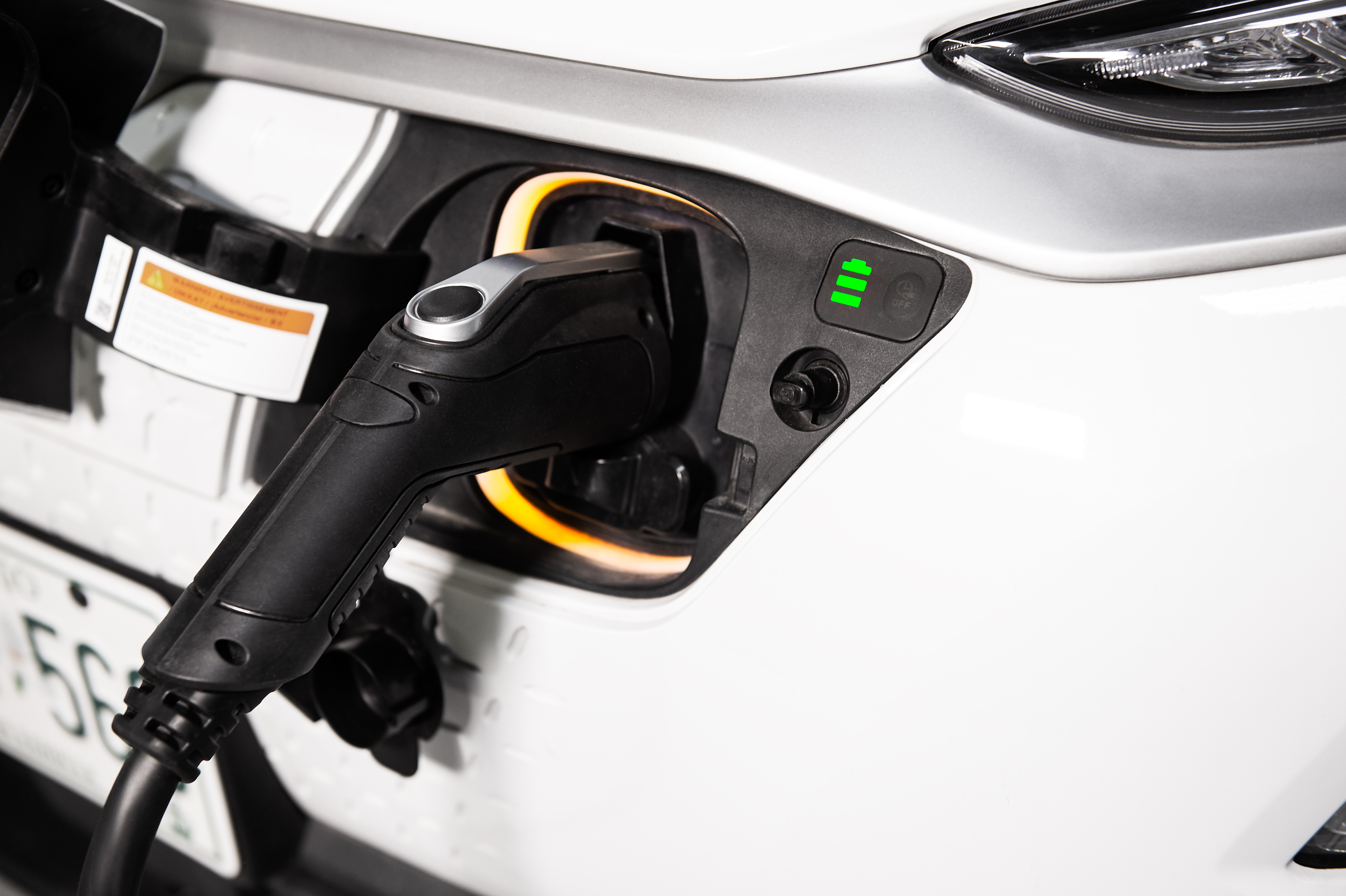
The growing use of EVs, heat pumps and other technologies is part of a significant shift called electrification. It’s about moving away from burning fossil fuels for things like vehicles, heating buildings, and water, and moving towards more efficient and sustainable energy sources that are powered by electricity. The electrification movement has already started, and so has the increased demand on our grid. Electrification is a key part of building a cleaner energy future with fewer harmful emissions. However, the more we electrify, the more pressure is placed on the grid. Just think of all the devices we have in our homes: computers, tablets, phones, battery packs and other rechargeable devices that could be plugged in and drawing power at any given time. Even traditional appliances have become more power-hungry.

So, when a heatwave hit Ontario last summer, and everybody cranked up their air conditioners, it wasn’t a surprise when the Independent Electricity System Operator (IESO) announced that the province had registered its highest peak energy demand since 2013.
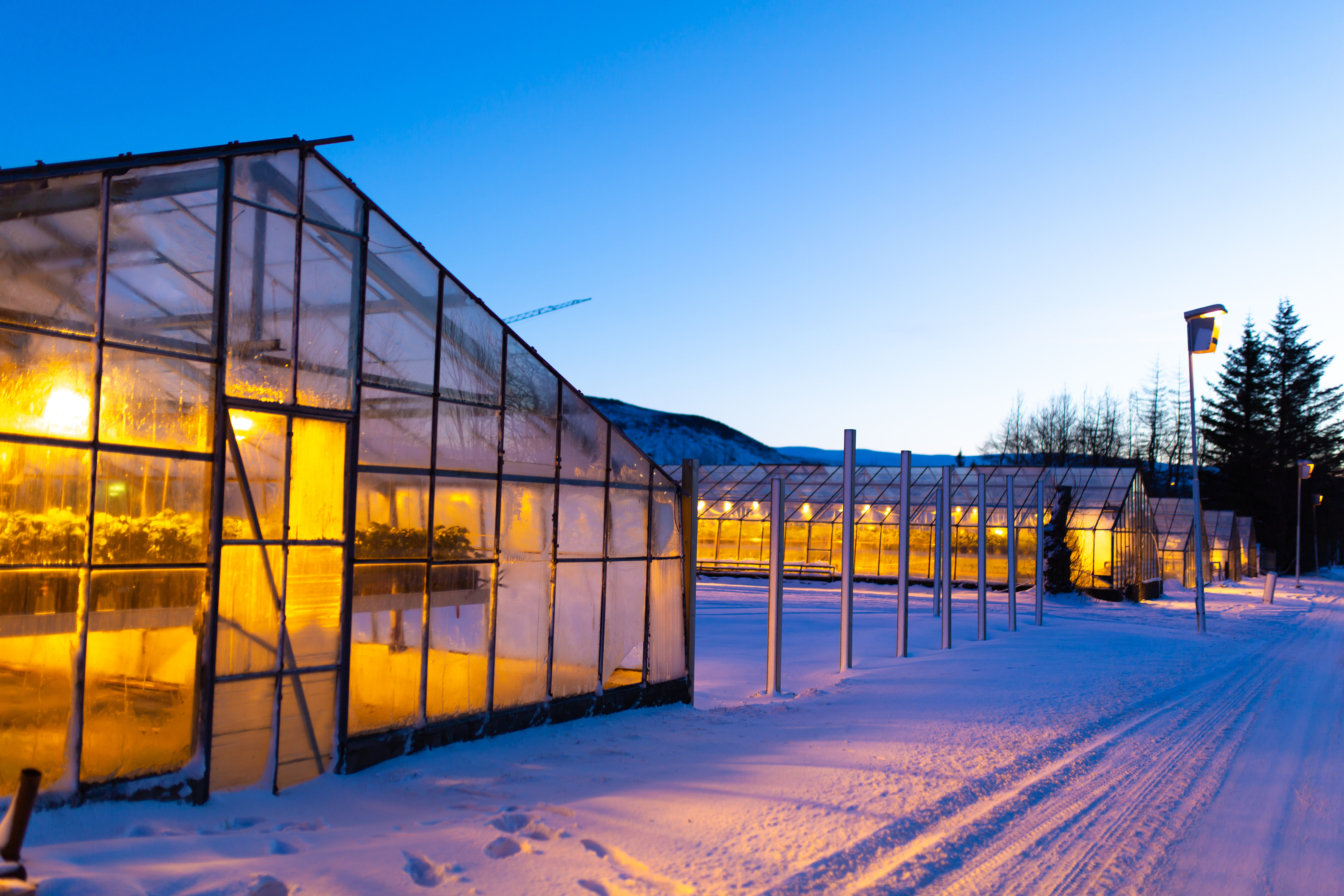
As more residential customers choose to electrify, and as large commercial customers like industrial facilities and hospitals require more electricity just to power their operations, that demand is only going to get more intense — and not just during our hot and humid summers. According to the IESO’s 2025 Annual Planning Outlook, Ontario is on track to become a “dual peaking” province by 2030. That is, the peak demand in the winter will match the peak demand in the summer, largely due to increased EV charging, heating with electricity, and the growth of commercial greenhouses that use high-intensity lighting systems to grow crops year-round.

Taking action now to address rising demand is critical, especially since our current infrastructure investments must be strategically aligned, not only to meet existing needs, but also to support future demand. This urgency is underscored by the IESO’s prediction that electricity demand will increase by a staggering 75 per cent by 2050.
What it will take to keep pace with demand
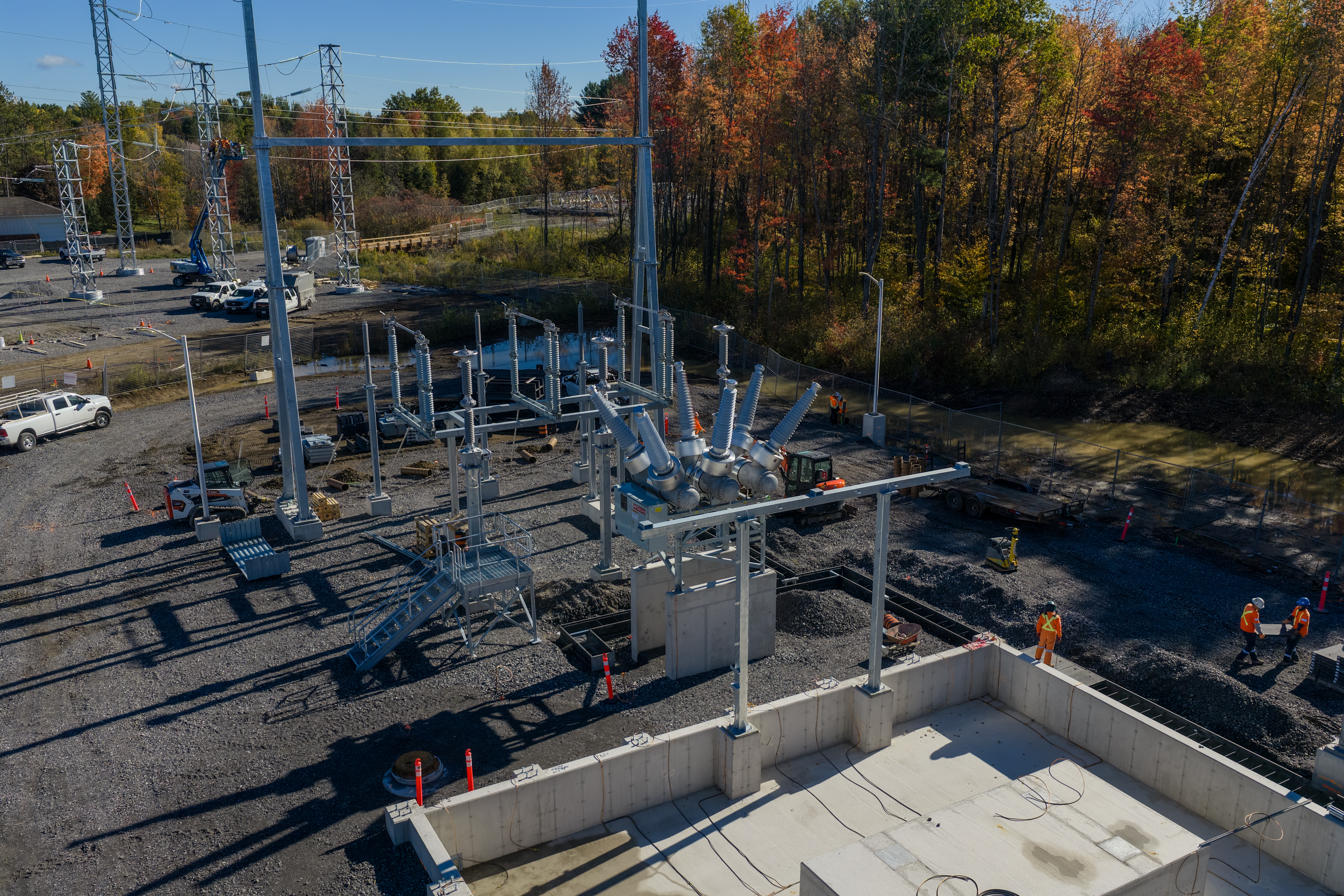
The good news is that we have a roadmap in place, with many programs and initiatives planned between now and 2030 to make the changes necessary for the grid to better respond to peaks in demand. A big part of that roadmap is making strategic investments in our energy infrastructure. It’s working to enhance the “last mile”: the distribution network of local substations, transformers and power lines that deliver electricity from the grid to its customers’ homes and businesses.
While building substations is nothing new, the pace at which they will be required is new. Historically, we’ve added one major substation roughly every five years to handle gradually increasing power needs. Now, we’re on track to energize one new substation, on average, every single year until 2030.

This infrastructure work is only part of the solution; residents and businesses also have a critical role to play in managing the increased demand. To support this transition, we promote several programs and incentives. For example, the IESO’s Save On Energy’s Home Renovation Savings Program provides significant rebates to families and businesses that install solar panels, heat pumps, smart thermostats and other energy-efficient upgrades.
Building our community's energy future, together
The electrification movement is already well underway and requires our immediate attention. The current investment strategy ensures that the system can reliably meet today’s growing demand, while simultaneously fortifying the grid for the massive shift in electricity usage projected in the coming years. Failing to invest now would lead to significant consequences: an overloaded, outdated system that buckles under the pressure of increased demand and a growing population, resulting in more frequent and longer power outages, disrupting daily life and having a negative impact on the economy.
Making the right investments requires careful planning, which is why we value the strong support and shared vision from key stakeholders. This collaborative spirit extends across the sector, as other utilities in Ontario and Canada pursue similar infrastructure upgrades, recognizing the urgent, common need. We’re all interconnected and part of the same energy ecosystem, ensuring we can all work together to build a more sustainable future for everyone.
And then there’s you: the homeowners, renters and businesses we serve across Ottawa and Casselman. We are deeply committed to understanding and meeting the evolving energy needs of the communities we serve — and strongly believe this journey is one we must take together. Because a collective effort is what will truly power this transformation.